
Shape Your Style: The Benefits and Risks of Switching Nail Shapes

Switching up your nail shape can completely transform your appearance. One month you might go for almond nails, and the next, you may want a square look. It’s common to wonder if frequent changes could harm your nails or create issues.
At our salon, we guide clients in safely trying new nail shapes. Changing shapes is perfectly fine as long as it’s done properly. Knowing how these changes impact your nails allows you to experiment confidently.
Why People Switch Nail Shapes
Nail shape plays a role in both the look and practical use of your nails. The ideal shape might depend on your lifestyle, events, or personal taste. While formal occasions might call for one style, daily activities could suit another.
Trends and moods also influence nail choices. Some days call for bold looks, while other times, simple styles are best. Changing your shape lets you reflect your current style without a lasting commitment.
How Shape Changes Affect Your Nails
Reshaping your nails involves filing, which removes some of the nail. If overdone or done incorrectly, frequent filing may thin the nail. However, gentle, expert filing typically causes little to no harm.
It’s important to consider your nail’s natural length and thickness. Attempting drastic changes on short or fragile nails can strain them. Professionals file carefully, in one direction with the right tools, to prevent damage and know when your nails need a rest from reshaping.
Best Practices for Changing Shapes
Maintain healthy nails with hydration and gentle care if you often change shapes. Strong nails handle changes better. Regular use of cuticle oil and avoiding harsh treatments between visits are helpful steps.
Give your nails time to grow between major changes. For example, moving from square to stiletto designs requires more length and patience. Rushing the process can weaken your nails.
Receiving professional service is key. Experts understand nail structure and create precise shapes while protecting the nail’s strength.
Shapes That Work for Frequent Changes
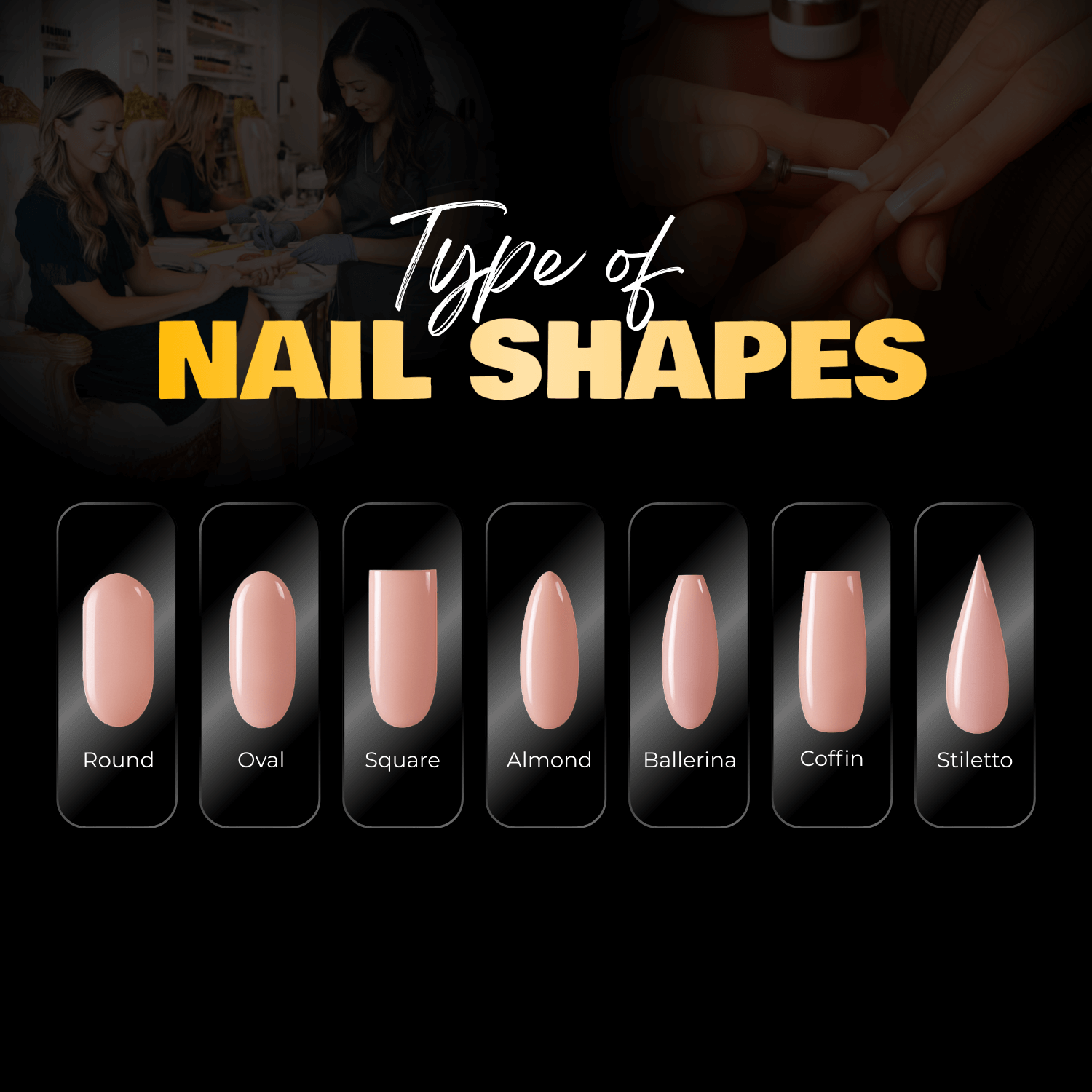
Some shapes transition more smoothly than others. Square and squoval, for instance, are closely related and require minimal filing to alternate. Round and oval shapes also switch easily without much reduction.
Bolder shapes like stiletto, coffin, or almond need longer nails and more extensive shaping. These are best saved for occasional changes. Your natural nail structure also affects how each shape looks and feels, so working with your nails reduces stress and improves results.
Signs You’re Changing Shapes Too Often
Pay attention to how your nails respond. Thinning, increased flexibility, frequent breakage, or peeling at the tips can indicate too much filing.
Tenderness or sensitivity may also signal excessive reshaping. If this happens, keep a simple shape for a while and focus on strengthening care before switching again.
Safe Ways to Try New Nail Shapes
Frequently changing your nail shape is safe when done professionally and with care. With awareness of nail health and guidance from skilled technicians, you can enjoy many styles without damaging your natural nails.
Enjoy Healthy Nail Shape Changes
Trying new nail shapes should be fun, not harmful. With proper maintenance and thoughtful transitions, your nails can stay strong while you explore different looks.
📞 Call to book: (865) 908-2789
📍 Location: 3152 Parkway #9, Pigeon Forge, TN 37863
Experience safe and stylish nail shape changes with T Nails.